5/06/2017

Earth Evolution. The Beginning

Hi, friends! I'm again with you and glad to claim this day is a very joyful day. This time all the secrets of the universe will reveal to you. Why? Because I'm going to talk about the most epic milestones in the evolution of our planet. The history of our planet in pictures.

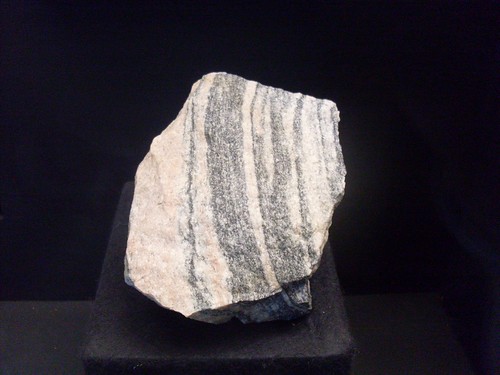
So, our planet was born many years ago, to be exact, 4.5 billion. There is a mass evidences for this event, among them are the carbon dating of the early continental shields and all the sorts of pieces of iron which fell on early planet. On the moon, by the way, the carbon dating of the pieces of meteorites collected by American astronauts shows the same age. The age of the Sun can also be determined by the relative amount of hydrogen burned in it. This time the Sun has consumed about a third of its reserves. So, the Sun is going to burn eight billion years more, which is the usual life cycle for a star like our Sun.

The sun, by the way, was formed simultaneously with the formation of other objects of the solar system. Maybe a little earlier. All these things were formed from the gas-dust cloud, which supernovas spit out far from themselves during the explosion. After they have recycled light chemicals into heavier ones, stars shrink, and then make a bang. These bangs collected all the dirt 4.5 billion years ago at the site of our star system. And the explosion of next supernova formed a disk shape from the giant cloud and began the process of formation of our little Universe. The rotational moment began to stretch the cloud into an even more flat disk, and the forces of gravity collected its vast amount of dirt in the center. Over time, the enormous pressure and friction of the substance inside him provoked a flash making a vast thermonuclear reactor, which was worshiped by the ancient Egyptians, who believed that every day a Scarabaeus sacer rolls it away out the horizon. These same reactions also caused significant streams of solar wind, which cleared the private space of the star. An additional substance arrived in a rotating disk, in which rings, similar to the rings of the planet of Saturn, gradually were forming.
These rings of the rotational substance were the progenitors of the planets close to the sun. The solar wind blew hydrogen away from the solid planets, and this hydrogen began to gather in the gas planets: the planet of Saturn, the planet of Jupiter, Neptune and Uranus. The sum of solid objects initially was more than a hundred. But, as a result of the gravity interaction and the impacts of different celestial bodies, only some of them survived. Our home also suffered from one such collision. A small planet with the size of Mars brutally hit Earth 400 million years after its origin, and spit out a pile of dust and debris into orbit.

The only natural satellite of the Earth, the Moon, was formed from these pieces. According to scientists, life would be very different from the current one and can not be born without this satellite at all. So not all explosions are evil. Then there was no life, no oceans, no continents. So as a result, no one was hurt. The world was still similar to a fluid sphere in imponderability, the shields had not yet formed, the moon turned very close to the Earth and looked many times larger than today. The tides and ebbs were also stunning due to the gravitation of the Moon, and the hill on the surface reached about 30 meters. The world's shields began to shape half a billion years later. This span is not small both to our and Universe standards. Solidifying magma also formed giant reservoirs for collecting water, which began to shape early oceans.
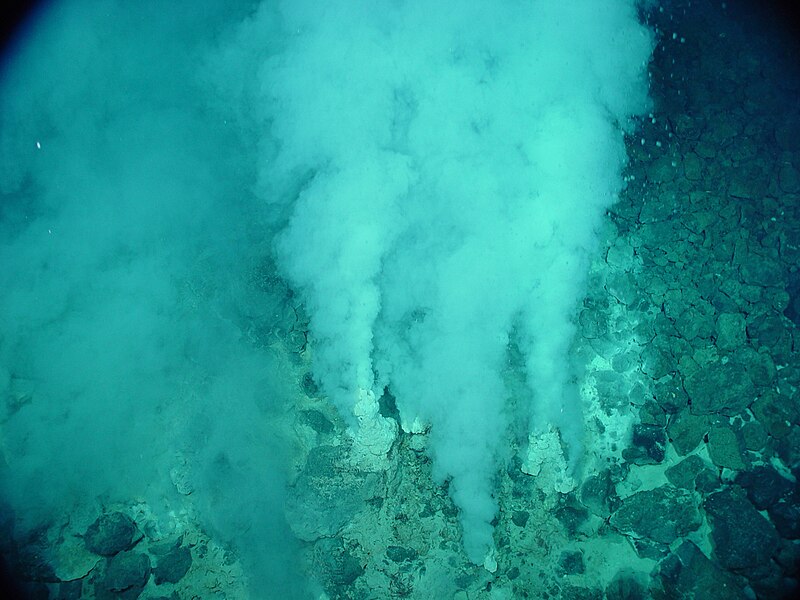
Simultaneously with the origin of continents and oceans, next milestone event occurred. It was the origin of life. Scientists have not came to the conclusion what provoked the inorganic substance to become organic which began to breed, but most likely it happened in some extreme conditions. Someone says that this could happen in the atmosphere during a lightning strike, someone that was in ice, during numerous cycles of freezing and warming. The most likely version is the one about black smokers. No, these are not African Americans who indulge in marijuana, but hot geysers, located at a very deep deepness. High pressure and temperature can serve as a good catalyst for all kinds of chemical processes, as a result of which early cells, protocaryotes, originated. These organisms did not have nuclei and mitochondria, and used carbon gas to make energy.

Well, it is enough for introduction. I'm thinking of continuing the story about the evolution of the Earth in future posts. Did you liked it?

4/30/2017

Top 5 Question and Answers Services

Hi, everyone! Today I am going to talk about two vital topic. One of them you see in title of the post. This is Q&A services. You knows, such a websites where you ask a question and a crowd tries to answer it. Another theme I concern in this post is my new passion, early history of Earth. One good article, which I am going to talk about next time, inspired me to study this topic. I and my college Alex rushed to study, ask and answer different questions about evolution of the Earth. Then I choose some most notable of them and decided share my experience and mention about it. So we commence...
  • Reddit. Very popular social network. Users can share links, ask questions, answer and comment them. But, unfortunately, our share link didn't get strong response...
  • Quora. One of the best services focused on question and answers. It hard to find doubled question. Answers are usually full and comprehensive. The service allows insert images in video and give valuable link. But, our post was marked as uncompleted despite two links to respectable sources and one image. Probably is happened because of high competitions in this question.
  • answers.wikia.com. Good service. Does not allow you to enhance your answer with HTML mark-up, but allows to post links. There are a lot of both answered and un-answered questions. But probably this resource have a lack of moderation.
  • yahoo.com. Yahoo is one the most popular resources in the Internet, so amount of people using the service is really impressive. Despite its popularity you can see abusing or politically incorrect question, sometimes even images, which are not safe for work. To add a link to your answer you have to gain great reputation answering a lot of question, and it is very difficult. You even cannot share a great link to authoritative source.
  • wiki.answers.com. IMHO, Actually, it is not the worse service in the World. A quite ugly in publishing, but good in getting useful informaition.

3/19/2017

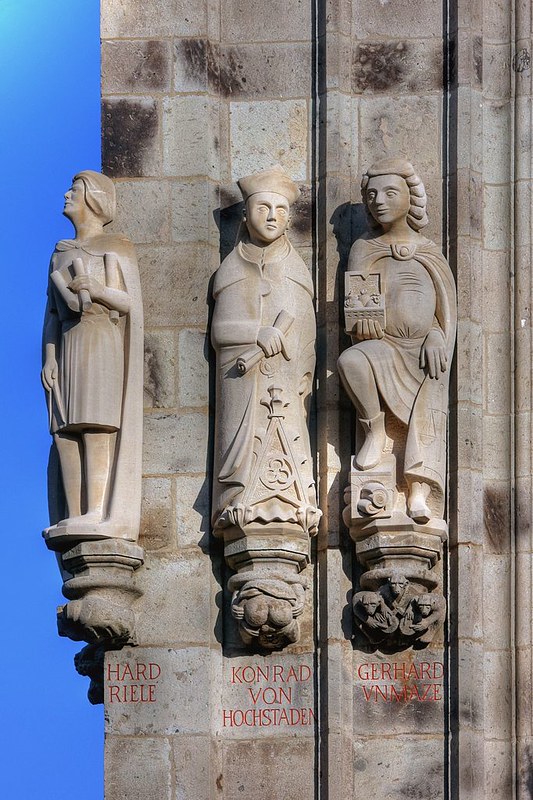
Konrad von Hochstaden. Statue with vague sense

In the Middle Ages, the Pope was one of the most influential person. He was so powerful that even managed to depose the emperors of the Holy Roman Empire, one of whom was forced to kneel in front of the pope and ask for forgiveness for his unrighteous actions. However, not only the popes of Rome stood out on the field of clerics, there were still individuals who left their trace in history. We will talk about one of them today.


  Mr. Konrad von Gochstaden was the son of the canon of the cathedral in Cologne, which our hero will rebuild at the zenith of his influence. Almost nothing is known about his childhood. It isn't even known authentically in which year he was born, in 1198 or 1205. However, already in 1216 he was appointed canon, and 10 years later the rector of the cathedral in Cologne. During the years of his ministry, he earned the reputation of an uncompromising and harsh man. In 1238 the archbishop of Cologne died, and the clergy of the cathedral elected Konrad in a short time. He immediately rolled up his sleeves, decided to take all this stuff into his own hands and entered into a series of skirmishes with neighboring secular rulers and aristocracy, who tried to prevent the cleric reigning alone in Cologne. In the end, he succeeded, the craftsmen raised their heads and took on some of the influence of the notable people, so the practically independent city moved under the authority of the church.

 In 1239, a new round of confrontation between secular power and Rome increased. Initially, our hero took a pro-imperial position, but then, for unclear reasons, he moved to the camp of the viceroy of God on the Earth. After the death of the former opponent of the pope, Emperor Frederick II, Konrad managed to appoint the Roman protege, Henry Raspe, the German king. And when the latter died six months later, Konrad placed on the throne another Pope's king - William of Holland. Among these clashes, the Cologne cleric was able to build something new. In 1248, he laid the new Cologne Cathedral, the construction of which stretched for several hundred years. This really impressive cathedral is one of the largest in Europe, and the German government have to spend a lot of money every year maintain it. By order of Mr. Gokhstaden 15 years later the cathedral in the neighboring city of Xanten was laid.

 
Soon the archbishop and the pope had a tiff. After the death of Archbishop Mainz, the public demanded of Konrad, gaining a serious weight, to be placed on this position, but the Pope decided that he would not reside in two important German provinces simultaneously, and then even deprived him of the title of papal legate in Germany. Following the deterioration in the relationship between the clergy, the relations between the archbishop and King Wilhelm also deteriorated. Von Gohstaden did not give up, and Wilhelm's death awaited him. In the election of the next German king, he sold his vote for a considerable sum of money to Richard Cornwallis, the brother of the King of England Henry III. As a result, Richard became king, and a couple of months later Konrad von Gokhtaden solemnly crowned him in Aachen.


 In 1261 the archbishop died, and grateful townspeople decorated the town hall with a sculpture of him. The sculpture of Konrad stands on a balloon depicting autofellatio. Autofellatio is such an act when a man caresses his own penis with his mouth. What citizens wanted to say by this sculpture is unclear...

3/17/2017

Five the Most Interesting Blogs about History

Hello! Today I'm going to tell you about some wonderful blogs. Some of them I read and under some of them I'm even working. Besides I share with you an interesting information about some powerful blog platforms. So, it's high time to commence...

 
 The first blog platform is Weebly. The very flexible editor let you experiment with design and easily combine a post full of media information. This is a wonderful example of a blog implemented on this platform. The blog explains information about very wide rage of topics: from Islam to Haiti Revolution.

Another nice blog is Dreamwidth. The tool this blog offers are not very comprehensive. A quite simple design, but images and links are not difficult to add inside text. Here is an example of a nice blog that contains a lot of curious information, also concerning to history. This blog is written by a friend of mine, Alex Morz.

As you probably know, one of the most popular blog platform in the Internet is Wordpress. Actually, it is the most popular platform and everyone have seen it at least once. Default template of this blog is very modern, you can even don't find a better among free templates. I also have an account on Wordpress, so you can see and appreciate it yourself. An of course I cannot ignore this platform, Blogspot. I have alreade shared with you a wonderful historical resource. It is a blog posting every day information about this day in form of timeline. Enjoy reading every morning about the crucial moments occurred on the day.

As I have mentioned before, there is a little, but interesting project, Newsvine. A quite curious idea is about sharing information right among your community. history4.newsvine.com is an example of a column on this site, but it is only piece of information called there a seeds. An article is larger, but is allowed to post only to experienced users. But the greatest blog, as you know, is this very blog, which you are reading now.

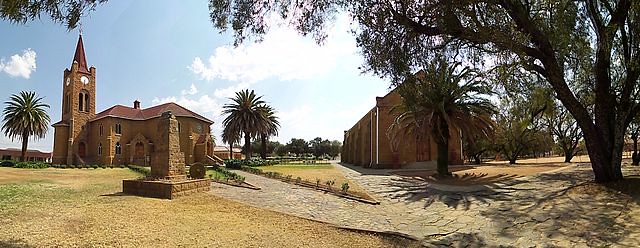
P.S. On the photo the city of Vredefort is taken, famous for its location inside of one of the largest craters in the World. But I am going to talk about it next time.

2/24/2017

About the Biggest Crater on the Earth

The largest, one of the oldest, one of the few multi-ringed impact craters on Earth. It's all about the crater Vredefort.
 

The Vredefort crater was formed about 2 billion years ago. For the most meticulous citizens, let's check, 2023 billion years. Life on Earth did not particularly boiling, the most complex organisms on the Earth were simple unicellular organisms. As you probably know, they don't have good memory and do not have their own manuscripts and there are not, therefore, eyewitnesses of it. This event occurred on the territory of modern South Africa, but this place wasn't Africa in that time and it was unlikely the South of it. For a billion years before the supercontinent Vaalbara split while other supercontinent, Rodinia, had not been formed yet. However, the event happened in the right place. A meteorite 10 kilometers in diameter sank right in Kaapvaal Craton, which is not particularly affected neither by plate tectonics or erosion. Most of the other similar craters creased beyond recognition and can only be found on other celestial bodies of the Solar System. For example, on Jupiter's moon Callisto, where you can see a wonderful multi-ring crater.

The crater has a few rings, the widest of which stretches for 300 kilometers in diameter. A hypothetical crater in Wilkes Land is a bit larger, but untill tractors do not remove all the snow from Antarctica, any reliable claims are not possible. In the center of the crater there is a hill, which arose from the splash of molten soil after the fall of the meteorite in the ground and drowned. So that the hole in the center of the Vredefort object, such as ones in the modern volcanos, is not presented. It is also nearly the oldest one, only crater Saharwi in Karelia is older among the known craters on Earth, but Saharwi is not so amusing.

In 1876, the descendants of Dutch settlers founded inside the crater a town konown as Vredefort, after which the geologic object was named. In addition to Vredefort two towns within the crater exist. The largest city in South Africa, Johannesburg, is located just on the external ring of the crater. In 2005, UNESCO declared the crater a World Heritage siteas "the largest, oldest and most deeply eroded meteorite crater found on Earth." As we know, not all of it is true.

This Day in History

Hello, everyone. I'm gonna today suggest you one wonderful blog.


On this blog you can read every day the list of the most important event that occurred on this day on the past. For example, information about the 25th of February, you can find here. Enjoy reading a fresh lavish post every day!

2/11/2017

History of Ethiopia Explained

I think it's high time to talk about Ethiopian Empire. Usually people ignore African history, but today I'm going to set a precedent.

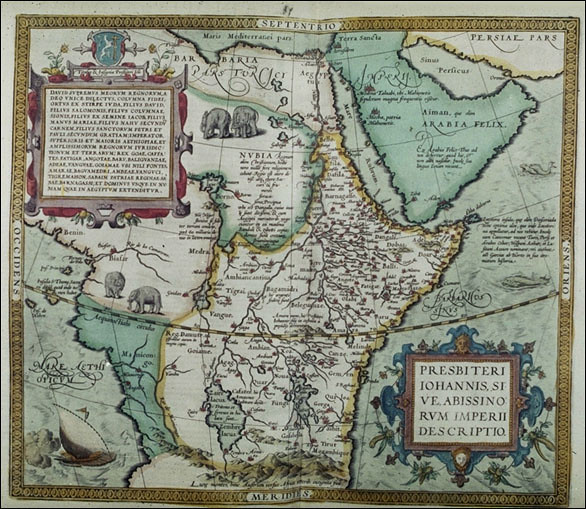
So, a short account about Ethiopia... I suggest visiting a wondering resource if you want to know more about history of Ethiopia. Eastern Africa is considered the origin of Homo sapiens, thus people were moving around the Eastern Africa a long time ago. They even spread from here across the world. The Ancient Egyptians also visited this place and called it Punt, or Golden land. The earliest Ancient Ethiopian state, known as Aksum kingdom, was formed in the 1st century. This state became one of the first ones that adopted Christianity. Ethiopian Orthodox Church was founded in 4th century, about 6 centuries earlier than Northern and Eastern Europe did it. In the end of 11th century cruel queen of Ethiopian Jews, who were expelled after new Christians asked them to leave their territory, occupied Ethiopia and held it with her successor about 40 years.


It became the turning point in the history of Ethiopia. One guy decided to overthrow one more time the Jews to establish their own dynasty, but for security reasons he married the heiress of the previous king. The name of this guy was Mara Takla Haymanot. This event is considered the foundation of Ethiopian Empire, which lasted until 1974. It's interesting, that the time of this event occurred is unclear, and two dates are suggested: 937 or 1137. Impressive difference. This gentleman did the city of Lalibela his capital, which left us a fewrock-cut churches and Christian cross made from a single piece of metal.

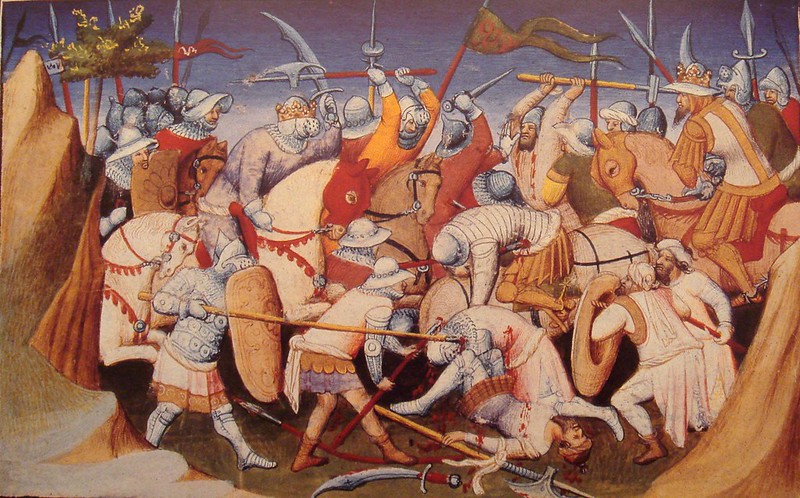
In 1270 next guy raised, and claimed that he was a descendant of King Solomon, the legendary ruler of the Ancient kingdom of Israel, therefore he he is in charge. This fellow was a native of the people called Habesha. For this people Ethiopia gained its name by which it was known for centuries - Abyssinia. Solomon dynasty ruled Ethiopia for major part of its history, from 1270 to 1974, during which it successfully resisted the Arab, Turkish and European invasion. So, from 1529 to 1543 it successfully fought against the neighboring sultanate of Adal, which occupied Abyssinia for a little while, and in one of the battle of the wars emperor David II was killed. In 1636, Emperor Fasilides founded a new capital of the state - Gondar, which left us several interesting structures.

Since year 1769 a period of disintegration of the state began, when small lords were fighting each other, and the power of the emperor became extremely weak. This troubles continued until the beginning of the reign of the Emperor Tewodro II, who managed to consolidate Ethiopia. Soon, however, during a storm Magdala castle by the British troops, the poor man was forced to shoot himself with a gun presented to him by Queen Victoria.


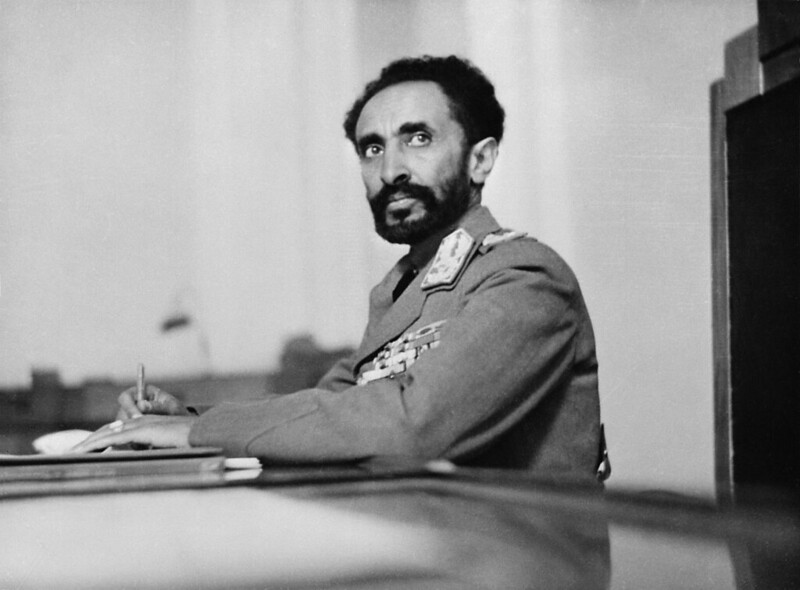
Further, The state of Italy entered the Scramble for Africa, starting a long epic war against Ethiopia. In 1889 the Italian signed a treaty with Emperor Menelik II, however, each party understood it in their own way since of the wrong translation of the word "may" in the agreement as "must". In 1895, Italy dared to attack Ethiopia, but the Battle of Adwa resulted in the former's crushing defeat, securing the first victory of an African state in a war against Europe. In the World War II, forces of the British Empire expelled the Italians out of Africa and returned Haile Selassie I, who would rule the country for other 30 years, to his homeland. By the way Rastafarians worship Haile Selassie I as god and see him as the second coming of Christ.

In 1974, the commie reached Africa... Marxist-Leninist junta supported by Soviet Union again overthrew Haile Selassie, and imprisoned him in jail, where he died shortly thereafter. Further, as communist were using to do, they abolished the monarchy and plunge Ethiopia into the civil war.